


The Dene Tha’ historical information presented on this website is excerpted from the Dene Tha’ Traditional Land-Use and Occupancy Study, published in 1997. The purpose of a Traditional Land-Use and Occupancy Study (TLUOS) is to record and illustrate the presence First Nations had, and still continue to have, on the land in their traditional territories; and to record and disseminate traditional knowledge (or traditional environmental knowledge, often known as TEK) to members of the community who do not possess this information, and to those outside of the community who know very little about First Nations people.
For example, instructions regarding the “proper” use of land, and the wisdom of elders regarding hunting, trapping, fishing, and gathering are examples of the type of knowledge that is collected during a TLUOS project. The passing of this type of information in First Nation communities traditionally occurred through the oral tradition of storytelling through generational links; from grandfather to grandson, from mother to daughter. Stories were told by the elders to explain life and how things were properly done.
Unfortunately, the oral tradition of passing on vital information in First Nation communities is slowly being replaced by the written word. This not only reflects a changing lifestyle among First Nations, but an ever-changing society.
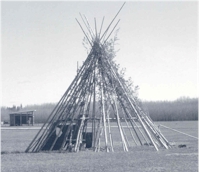 Dene Tha’ fixed sites include cabins, camping places and settlement sites. These sites were used by Dene Tha’ as either temporary, overnight camping places, or as more permanent settlement areas.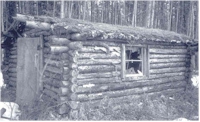
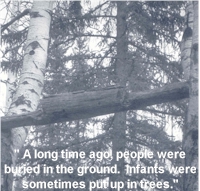 In the past, people were buried along rivers or trails where people traveled. As a result, many graves have been washed away by the changing current of the river, or by natural erosion of the river banks.
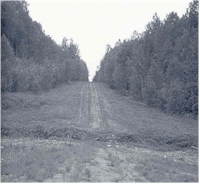 The Dene Tha’ were constantly on the move, searching for food. However, this nomadic lifestyle was not random; the seasonal migration of people followed very specific patterns. People’s survival depended upon successful hunting patterns.
 The overwhelming majority of Dene Tha’ speak Dene as their first language. Naturally then, each person usually has a Dene name and an English name. “Before the missionaries came, the Dene newborns were named by the elders.